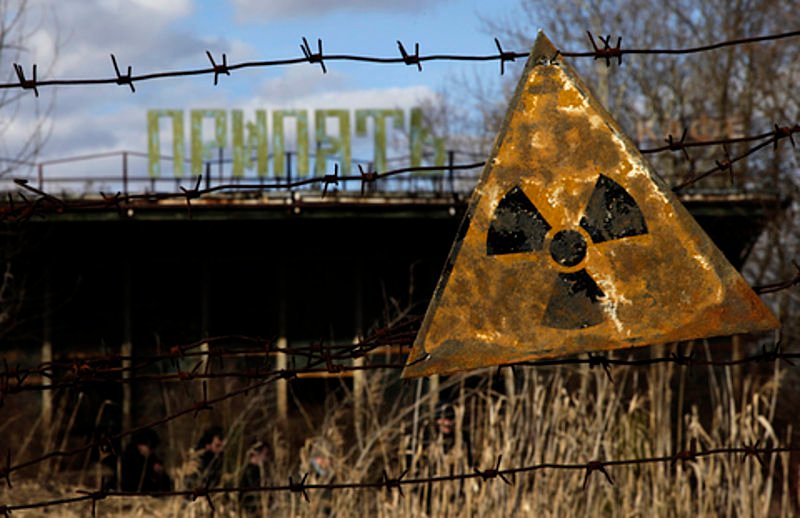
First of all we need to know what radioactivity is...
Radioactivity is when an atom (or part of one) falls apart, splitting into two pieces. Often, one piece is quite small, and comes out at a high rate of speed. When that piece hits something else, it can do damage.
There is natural and artificial radioactivity:
Natural radioactivity
Natural radioactivity on Earth comes from radioactive isotopes which are an integral part of the tissue of living organisms. It also comes from Earth's crust and radioactive radiation from space, so called cosmic radiation. Intensity of natural radiation is mainly constant. This radiation affected the hereditary changes, mutations, and thus the evolution of living beings.
Artificial radioactivity
Chain-splitting atomic nuclei caused by bombardment with protons or neutrons was discovered in 1939. Awaken nuclei is being disintegrated and thereby releases a large amount of energy. That energy is called nuclear energy. Decomposition of radioactive element is followed by releasing of alpha and beta particles and high energy electromagnetic radiation (gamma-rays).

Radiation has multiple specific biological effects. Data about that come from sad events related to bombardment of Hiroshima and Nagasaki, then from random accidents when people were irradiated with high doses, from patients that were irradiated and miners working in uranium mines. It should be emphasized that we cannot feel radiation with our senses and that radioactive substances are in fact the most toxic substances in nature.
Radioactive isotopes are dangerous because they can include themselves into the element roundabout instead of nonradioactive isotopes. That way they can get into the ground, water and atmosphere and then into living organisms where they will accumulate. In living organisms radiation causes changes with harmful effects, for example, the development of leukemia, and large doses are deadly.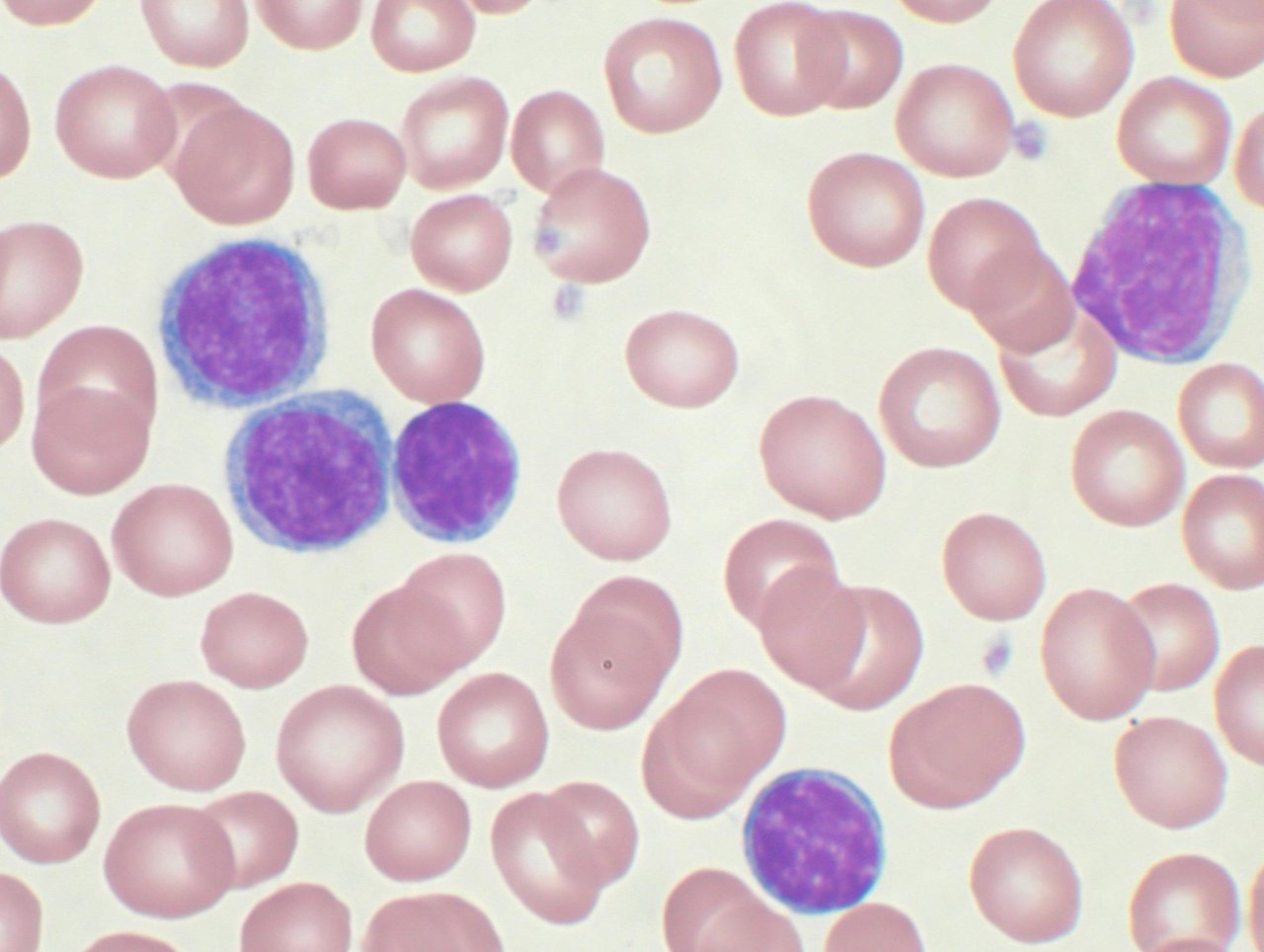
To radiation, particularly sensitive is the tissue whose cells divide rapidly (such as the mucous membranes of digestive tract, hematopoietic tissue, reproductive cells at different stages of development).
Nuclear waste
Nuclear energy is used to obtain electricity, and radioactive isotopes in science, medicine and other activities. The main problem associated with the use of radioactive material is the radioactive waste. It keeps that radioactivity for a very long time, so the problem is how to safely store it so it doesn't threaten living beings in the environment. Solid waste is usually collected, pressed and stored to inaccessible places, for example, buried in the abandoned mines. Radioactive waste water, which is used for rinsing, and air go through special filters and purification systems.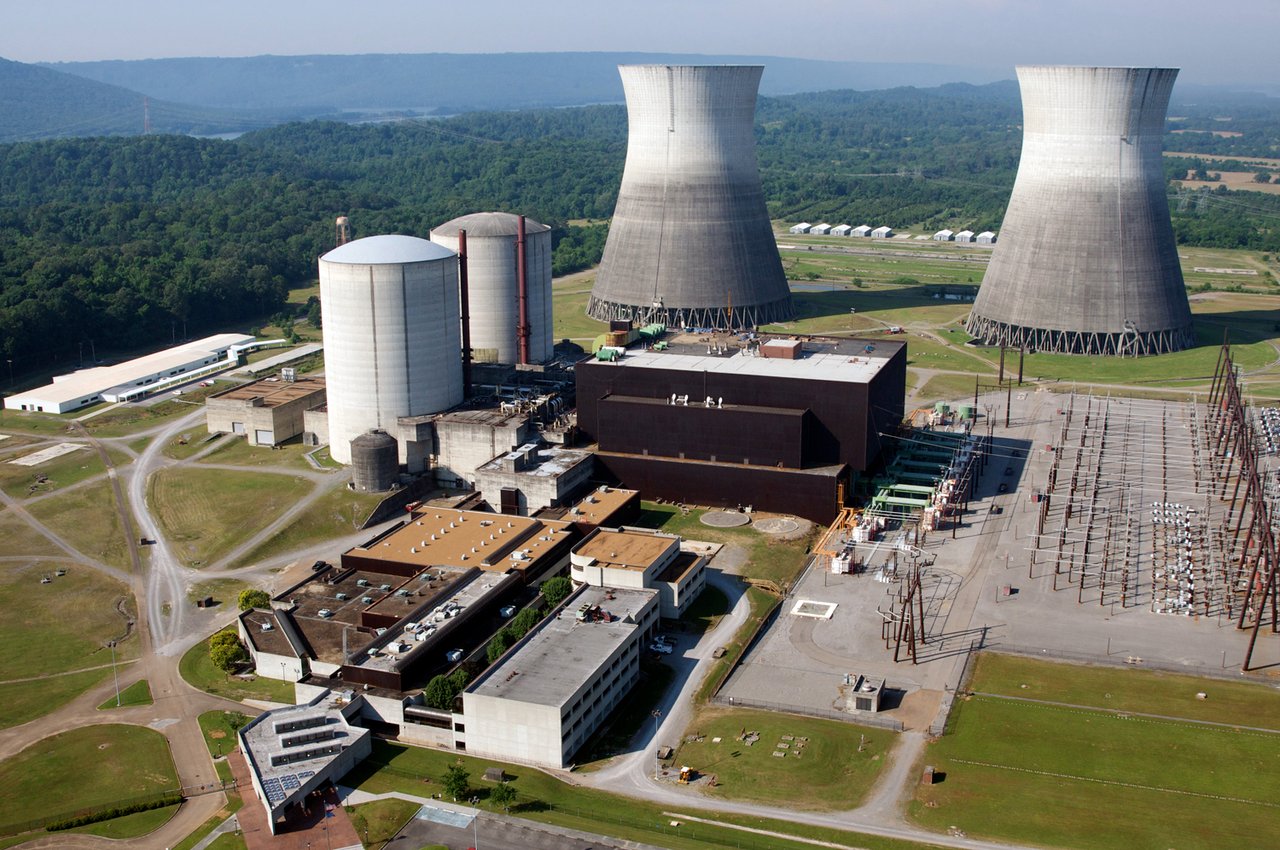
When building a nuclear power plant, multiple security measures are taken in order to prevent the accidental release of radioactivity. Nevertheless, we have witnessed unwanted accidents in nuclear power plants. It is therefore reasonable that building a nuclear power plant causes general discontent.