 [Source](https://education.nationalgeographic.org/resource/wind-energy/)
Wind energy is a form of renewable energy that harnesses the power of the wind to generate electricity.
It is based on the use of wind turbines, also known as windmills, which transform the kinetic energy of the wind into electrical energy.
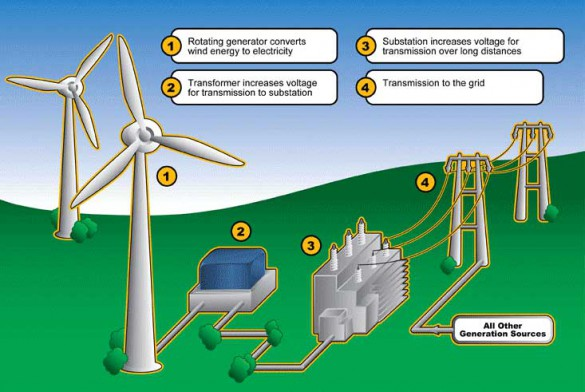
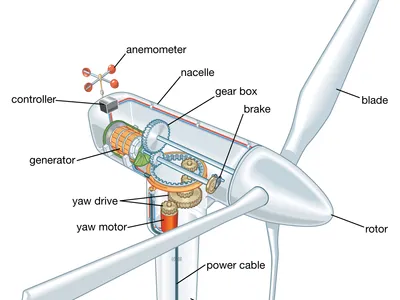
Wind turbines consist of a structure with long blades that capture the wind's energy as it rotates, these blades are connected to a generator that converts the rotating movement into electricity. The stronger the wind, the greater the amount of energy produced.
 [Source](https://noupoortwind.co.za/wind-energy-library/wind-turbine-facts/)
Wind energy has numerous benefits.
It is a renewable energy source: Unlike fossil fuels, wind is a natural, renewable force that does not run out.
Reduces greenhouse gas emissions: Wind energy produces no harmful emissions for our beloved planet. It helps to mitigate climate change and keep the air clean...
Diversifies the energy matrix: Wind energy offers an alternative to dependence on fossil fuels. So we can stop burning things and look for new ways to generate electricity...
 [Source](https://www.britannica.com/technology/wind-turbine)
Job creation: The wind industry creates jobs in the manufacture, installation and maintenance of wind turbines.
Long-term cost savings: Although wind farms can be expensive to install, once in operation, operation and maintenance costs are relatively low.
However, it is important to note that wind energy also presents challenges. Wind availability can vary, which means that power generation can be intermittent. In addition, the installation of wind farms requires considerable space and can affect the landscape and wildlife.
 [Source](https://www.eia.gov/todayinenergy/detail.php?id=31032)
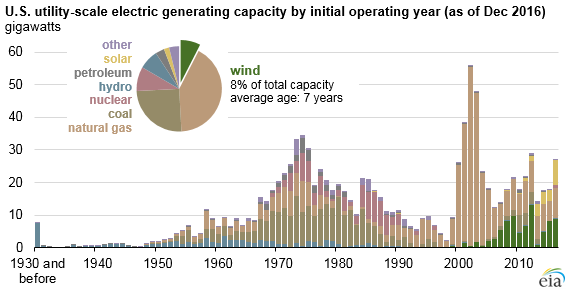
Despite these challenges, wind energy has experienced significant growth in recent years due to its contribution to reducing greenhouse gas emissions and its ability to diversify the energy mix.